The price on the shelf against the price at the till, scanner accuracy rules, unit pricing, advertised offers and rain checks, fuel pump accuracy and the octane posted, weights and measures inspection, gift card expiry and dormancy fees, store credit, and layaway deposits when a purchase is abandoned.
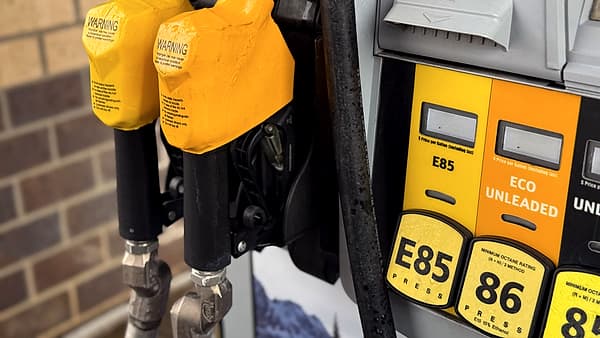
Federal rules require retailers to post the automotive fuel rating on at least one label on each face of every dispenser, placed conspicuously near the price per gallon, and require every transfer to a non-consumer to be certified with a rating. The octane rating is the average of the research and motor octane numbers. Measurement accuracy is regulated by state weights and measures programs against a national technical standard, with devices tested and sealed.
For retail food stores, offering products at a stated price by advertisement when the covered stores do not have them in stock and readily available during the advertised period is an unfair or deceptive act, unless the advertisement clearly discloses that supplies are limited or that the item is only at some outlets. Four defenses exist: adequate ordering, a rain check, a comparable substitute at the advertised price, or other compensation of at least equal value.
There is no general federal rule requiring a store to charge the shelf price. Price accuracy is regulated by state weights and measures law, built on a national model that covers price verification and the method of sale, and enforced by state and county inspectors. Federal law reaches the subject through the prohibition on deceptive acts and practices, which bites where advertised prices are systematically not honored rather than where a single tag is stale.
A gift card holder is an unsecured creditor of the issuing business. On a bankruptcy filing, an automatic stay generally prevents redemption unless the court permits it, and honoring cards during a case is a matter for court authorization rather than a right. Bankruptcy law gives individuals a limited, capped priority for deposits made toward the purchase of goods or services for personal, family or household use, which ranks ahead of general unsecured claims but well behind secured lenders.
Commercial weighing and measuring devices are regulated by state and county weights and measures programs. Officials test devices against a national technical standard that sets specifications and tolerances, seal those that pass so calibration cannot be altered undetected, and remove failing devices from service until repaired and retested. The same programs run price verification and often license the service agencies that repair devices.
The federal rule against hidden fees applies to two categories: live-event tickets and short-term lodging. For those, the total price must be disclosed clearly and more prominently than other pricing information, and excluded charges must be disclosed before the consumer consents to pay. Card surcharges elsewhere are governed by state law and payment network rules, with the general prohibition on deceptive practices reaching undisclosed mandatory fees.
Layaway is a sale where the buyer pays in installments and the seller holds the goods until the price is paid. Because no credit is extended and no finance charge is imposed, federal lending disclosure rules generally do not apply. Several states regulate layaway directly, requiring a written agreement covering the deposit, payment schedule, cancellation terms, storage of the goods and what is refundable. Elsewhere the contract terms govern.
Scanner accuracy is inspected under state weights and measures programs using a sampling method drawn from a national model examination procedure. An inspector selects a sample of items, records the displayed price, scans them, and compares. Overcharges are weighted more heavily than undercharges, a failed inspection usually triggers correction and reinspection, and repeat failure escalates to penalties. Findings are records that a shopper can often request.
Unit pricing expresses the price of a package in a common measure such as price per ounce or per hundred count, so that sizes can be compared. It is not required nationally. A national model uniform unit pricing regulation exists and states adopt it in whole or in part, typically applying it to larger stores and exempting small retailers and certain product categories. Federal packaging and labeling law governs the net quantity declaration the unit price is calculated from.
Federal law prohibits selling a gift certificate, store gift card or general-use prepaid card with an expiration date unless the underlying funds last at least five years from issue or last load, with prescribed disclosures on the card. Dormancy, inactivity and service fees are barred unless there has been no activity for a year, the fee and its frequency are stated clearly on the card, and no more than one such fee is charged in any calendar month.
Federal law does not create a general right to a refund for a change of mind. A retailer's posted policy governs the transaction, and several states require the policy to be conspicuously disclosed before purchase, treating an undisclosed or unposted policy as unenforceable and sometimes requiring a cash refund instead. Separate federal rules give real rights for mail, internet and telephone orders and for certain door-to-door sales.