Fuel Pump Accuracy and the Octane Posted
Two different systems watch a fuel pump. One is federal and concerns the yellow label, what the number on it means and who has to certify it. The other is state, concerns whether the gallon dispensed is a gallon, and leaves a seal on the machine.
The rule in short
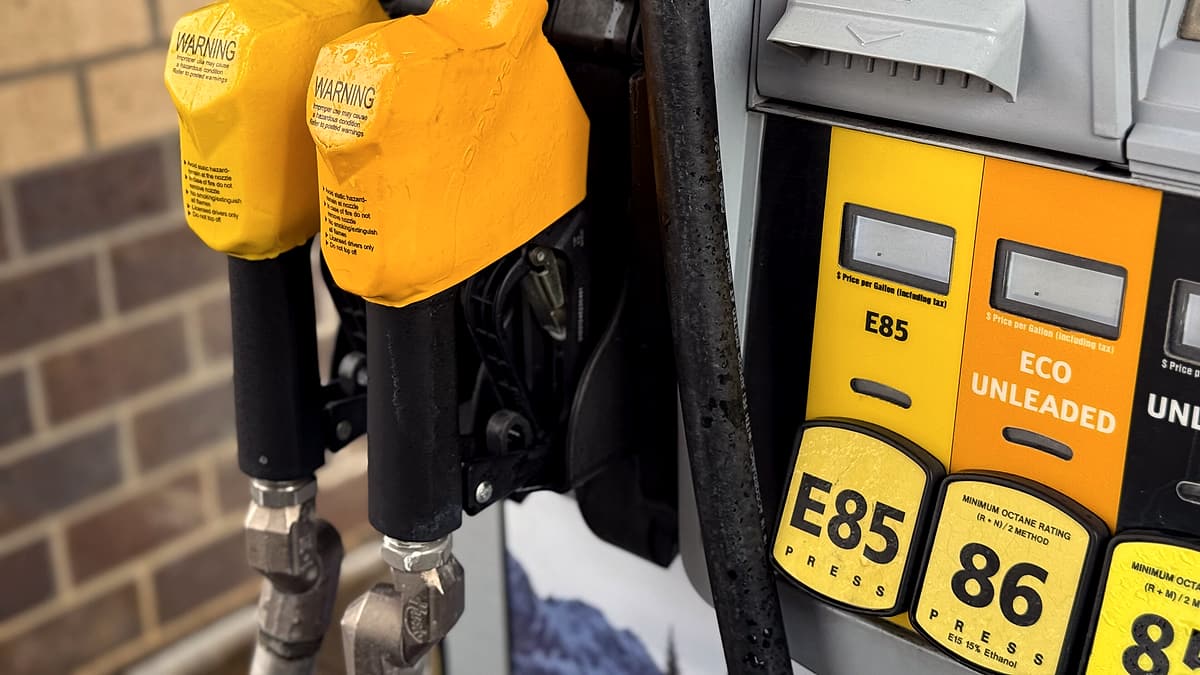
Federal rules require retailers to post the automotive fuel rating on at least one label on each face of every dispenser, placed conspicuously near the price per gallon, and require every transfer to a non-consumer to be certified with a rating. The octane rating is the average of the research and motor octane numbers. Measurement accuracy is regulated by state weights and measures programs against a national technical standard, with devices tested and sealed.
Two systems govern a fuel pump. Federal rules control the octane label and the paperwork behind the number on it. State weights and measures programs control whether the pump measures accurately, and they leave a seal on the device to show it was tested.
Knowing which system a complaint belongs to saves a great deal of time. A wrong or missing yellow label is a federal matter. A pump that delivers less than it charges for is a state matter, and the office that handles it is the same one that inspects supermarket scales.
The label, and what it has to show
A retailer must post the automotive fuel rating of all fuel sold to consumers, with at least one label on each face of each dispenser. Where two or more kinds of fuel with different ratings are sold from a single dispenser, separate labels are required for each kind on each face. The labels must be placed conspicuously, in full view of consumers, and as near as reasonably practical to the price per gallon.
The rule goes further than most people would expect, prescribing the label's dimensions, typefaces and spacing so that the same information looks the same everywhere. That uniformity is the point: a driver should be able to read a pump in an unfamiliar state without learning a new convention.
Alternative fuels are labeled under the same scheme with their own formats, so diesel, biodiesel blends and other liquid automotive fuels carry labels built to their own specifications rather than borrowing the gasoline octane design. A label that looks improvised, handwritten or stuck over another one is worth noticing, because the rule leaves very little room for improvisation.
What the octane number measures, and what it does not
The octane rating is defined as the anti-knock characteristics of a grade of gasoline, calculated by dividing by two the sum of the research octane number and the motor octane number. Both underlying numbers come from specified standard test methods.
What it measures is resistance to knocking under compression. It is not a measure of energy content, cleanliness, detergent additives or general quality. An engine designed for a lower rating gains nothing from a higher one, which makes the label a compatibility figure rather than a quality ranking. Ethanol blends are handled separately, with their own labeling requirements where a blend exceeds a stated ethanol proportion.
Everyone who transfers fuel to someone who is not a consumer must certify the rating, either on a delivery ticket showing the transferor's name, the recipient's name, the date and the rating, or by a written statement. The retailer then keeps those documents for a year, along with any rating determinations it made itself, available for inspection. This is why a complaint about a mislabeled grade is investigable at all: the chain from refinery to pump is documented at every transfer.
Whether a gallon is a gallon
Measurement is the state side. Retail fuel dispensers are liquid-measuring devices, and they are tested against a national technical standard that sets specifications, tolerances and other requirements for weighing and measuring devices. Inspectors test with certified volumetric provers, draw a measured quantity, and compare what the device registered against what was actually delivered.
Devices that pass are sealed, so that the calibration cannot be altered without breaking the seal. A broken or missing seal is itself a finding. Devices that fail are taken out of service, tagged, and may not be used until repaired and retested. Most states also license the service agencies that repair and calibrate devices, precisely so that the people fixing them are known to the program.
Inspection frequency is set by the state and is typically annual for retail dispensers, with follow-up visits after a failure and additional visits driven by complaints. Many states also require the inspection result to be displayed on the device, which is the sticker drivers see beside the grade buttons. Where no sticker is visible and none can be found on the pump face, that is a reasonable thing to mention when reporting anything else about the station.
Which office handles which complaint
| Problem | Which system it belongs to | Where to raise it |
|---|---|---|
| No octane label, or an unreadable one | Federal posting rule | The federal trade regulator |
| Grade sold does not match the rating posted | Federal rating and certification rule | The federal regulator, plus the state fuel program |
| Pump delivers less than it registers | State device accuracy | State or county weights and measures office |
| Seal broken or inspection tag missing | State device program | The same weights and measures office |
| Price on the sign differs from the pump | State price representation rules | Weights and measures, or the state consumer office |
| Fuel quality or contamination | State fuel quality program | The state agency running fuel sampling |
What to record before making a complaint
Complaints about pumps succeed or fail on specifics. Record the station address, the pump number, the grade selected, the volume dispensed, the price per gallon and the total charged, and keep the receipt. If the concern is short measure, note the vehicle's tank capacity against the volume the pump claims to have delivered, since a pump registering more than a tank can physically hold is the clearest evidence there is.
Photograph the pump face, including the octane label and any inspection seal or tag. Those two images answer most of the questions an inspector will ask, and both disappear the moment the driver leaves the forecourt.
Card holds are a separate irritation that is not a measurement issue at all. A station that authorizes a fixed amount on a card before dispensing, and then settles the actual sale afterwards, is doing something ordinary in card processing rather than overcharging. The authorized figure should drop away once the transaction settles, and where it does not, the route is a billing dispute with the card issuer rather than a complaint about the pump, and the receipt from the pump is the document that settles it.
The office that receives a measurement complaint is the same one described under who inspects scales and measures, and it works from reports as well as from routine schedules. A pump price that differs from the number on the sign is a representation problem rather than a measurement one and follows the reasoning under the shelf price against the price at the checkout. Where a station advertises a grade at a price it cannot supply, the analysis moves again, to the rules discussed under advertised offers that run out. Knowing which of the three the problem belongs to is most of the work of getting it looked at.
Points to carry away
- A label showing the automotive fuel rating must appear on each face of every dispenser.
- The octane rating posted is the research and motor octane numbers averaged.
- Anyone transferring fuel to a non-consumer must certify the rating in writing.
- Retailers must keep the certifications their posting relies on for a year.
- Measurement accuracy is tested and sealed under state weights and measures programs.
Questions readers ask
What does the number on the yellow label actually mean?
The octane rating is the anti-knock rating of a grade of gasoline, calculated by adding the research octane number to the motor octane number and dividing by two. That is why pumps show figures like 87 or 93 rather than a single laboratory value, and why the label often carries the formula in small type. It measures resistance to pre-ignition, not energy content, cleanliness or quality, so a higher number is not a better fuel for an engine that does not require it.
How is a rating traced back if it turns out to be wrong?
By the paper trail. Every transfer to someone who is not a consumer must be certified, either on a delivery ticket carrying the transferor's name, the recipient's name, the date and the rating, or by a separate written statement. Retailers must keep the delivery tickets or certification letters their posting is based on for a year, along with records of any rating determinations they made themselves, available for inspection. A retailer posting a rating it cannot document has a problem independent of the fuel.
Does temperature affect how much fuel is delivered?
Yes, because fuel expands and contracts, and a gallon measured warm contains slightly less energy than a gallon measured cold. Whether retail dispensers must compensate for temperature is a policy question states have answered differently, and most retail sales are made on volume as delivered rather than on a temperature-corrected basis. The device standard addresses accuracy of the volume measured; it does not promise that every gallon holds identical energy.
Sources
- 16 CFR 306.10 — Automotive fuel rating postingRequires a label on each face of every dispenser, near the price per gallon.
- 16 CFR Part 306 — Automotive fuel ratings, certification and postingThe full rule, including the octane definition, certification and record keeping.
- 15 U.S.C. 2821 — DefinitionsStatutory definitions underlying the automotive fuel rating and octane disclosure scheme.
- 15 U.S.C. 2823 — Administration and enforcementHow the fuel rating requirements are administered and enforced.
- NIST Handbook 44 — current editionThe technical standard for liquid-measuring devices, including retail fuel dispensers.
- NIST Handbook 130 — current editionPublishes the uniform fuels and automotive lubricants law and regulation states adopt.
- NIST Office of Weights and MeasuresThe federal office behind the model standards used by state fuel inspection programs.
National Attorney Hub is a publication, not a law firm. This article states general rules and cites its sources; it is not advice about any particular case, and the law differs by state and changes over time.
More in Prices & Gift Cards

Advertised Offers That Run Out
For retail food stores, offering products at a stated price by advertisement when the covered stores do not have them in stock and readily available during the advertised period is an unfair or deceptive act, unless the advertisement clearly discloses that supplies are limited or that the item is only at some outlets. Four defenses exist: adequate ordering, a rain check, a comparable substitute at the advertised price, or other compensation of at least equal value.

The Shelf Price Against the Price at the Checkout
There is no general federal rule requiring a store to charge the shelf price. Price accuracy is regulated by state weights and measures law, built on a national model that covers price verification and the method of sale, and enforced by state and county inspectors. Federal law reaches the subject through the prohibition on deceptive acts and practices, which bites where advertised prices are systematically not honored rather than where a single tag is stale.

A Gift Card When the Shop Closes
A gift card holder is an unsecured creditor of the issuing business. On a bankruptcy filing, an automatic stay generally prevents redemption unless the court permits it, and honoring cards during a case is a matter for court authorization rather than a right. Bankruptcy law gives individuals a limited, capped priority for deposits made toward the purchase of goods or services for personal, family or household use, which ranks ahead of general unsecured claims but well behind secured lenders.