Which services need which license, training and apprentice hours, examinations and reciprocity between states, salon and shop registration, sanitation and equipment rules, tattoo and body art requirements, massage establishment permits, mobile and home-based work, and what an inspection looks for.
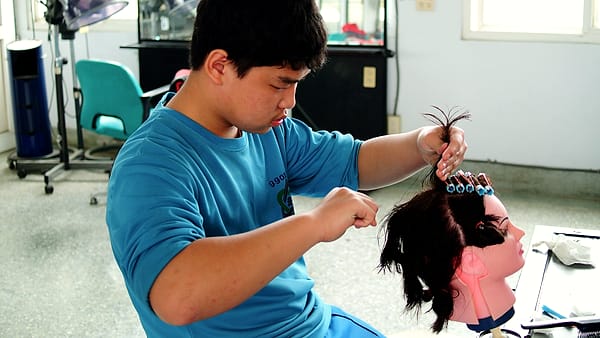
Personal care licensing examinations are set in two parts, a written theory paper covering law and sanitation and a practical paper performed on a mannequin or model. A license does not travel by itself. A practitioner moving states applies for licensure by endorsement, and the receiving board decides whether the original training hours, examination and current standing meet its own standard. Where they fall short, the usual remedy is added hours or a re-examination.
Nearly every state licenses the services that cut, color, chemically treat or abrade hair, skin and nails when they are performed for compensation. Statutes then carve out named exemptions, most commonly shampooing, natural hair braiding, hair wrapping, threading and basic makeup application. Tattooing, piercing and massage sit under separate schemes with their own permits. Working outside the scope printed on a license is itself a violation.
Mobile personal care work is licensed rather than unregulated. Most states license a self-contained vehicle as a mobile unit, requiring a permanent base address, a floor plan, water and waste systems and an inspection before approval, and often a filed itinerary. Home-based work is licensed as an establishment and usually requires an entrance separate from living space, dedicated facilities and zoning approval. Work at a client's home is lawful only where the statute names the situation.
Most states bar tattooing below a fixed age outright and allow it for older minors only with a parent or guardian physically present, identified by government photograph identification, and giving written and often notarized consent. Piercing is regulated on a parallel but usually looser track, with earlobe piercing frequently carved out. Studios must retain the consent document with the client record, and violations are typically criminal offenses as well as license matters.
Every state sets a minimum number of training hours before a candidate may sit the licensing examination, and most allow the hours to come from an approved school or from a board-registered apprenticeship in a licensed establishment. School hours are certified by the school; apprentice hours are certified by a supervising licensee who must be approved and present. Hours worked lawfully in another state can often be converted, but only on the ratio the destination state sets.
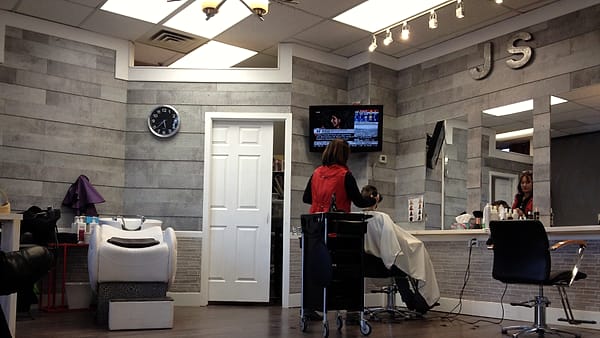
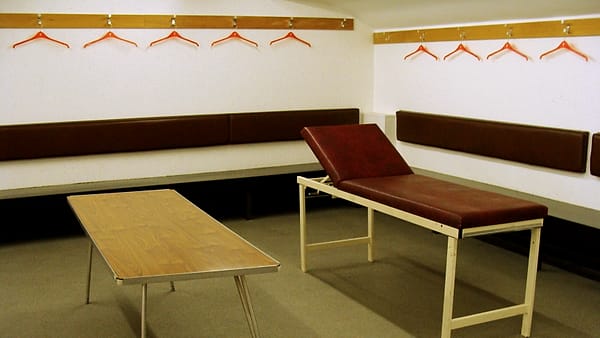
Nearly every state licenses the premises where personal care services are performed as well as the practitioners performing them. The establishment license is held by the owner or operator, is issued for a single address, and usually must be surrendered or reapplied for when the business is sold. Most statutes also require a licensed person to be in charge whenever the shop is open, and make the establishment holder answerable for unlicensed practice on the premises.
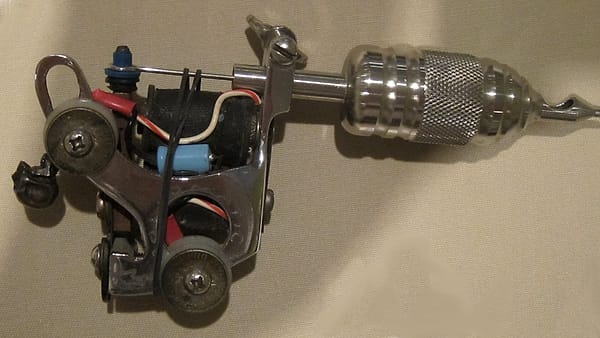
Tattooing and piercing are usually regulated by a state health department rather than a cosmetology board. An artist license requires completion of an approved bloodborne pathogen and communicable disease course and, in some states, an examination on it. A separate establishment license covers the premises, is issued per location, expires annually and cannot be transferred. Temporary licenses exist for conventions and guest work, with short fixed terms and their own inspection.
A booth renter holds a personal license and usually operates as an independent business, but the establishment license for the premises stays with the owner in most states. That means the owner remains answerable to the board for sanitation, posting and unlicensed practice on the floor, even where the renter caused it. Worker classification is decided separately, by the degree of control the owner exercises, not by the label on the agreement.
Most states license massage therapists individually and license the premises separately as a massage establishment. The establishment application typically requires background screening of owners and managers, a designated manager who practices at the location, employee and client records, and compliance with premises conditions. States commonly preserve local authority over land use and business permits, so a city permit with its own conditions sits on top of the state license.
Boards inspect licensed establishments periodically and after complaints, usually without notice. The inspector checks that the establishment license and individual licenses are posted, that everyone working is licensed for what they are doing, and that sanitation practice matches the rules. Findings are written as citations carrying administrative fines, commonly assessed per violation, and repeated findings escalate to formal proceedings against the license.
State sanitation rules classify implements by whether they can be cleaned. Porous items that touch skin are single use and must be discarded after one client. Non-porous implements are washed, then immersed in a registered disinfectant for the contact time printed on the label. Certain tools, notably credo blades and some foot spa inserts, are banned outright. Where blood is exposed, the federal bloodborne pathogens standard applies alongside the board's own rules.