Who must hold an investigator license and what the license does not authorize, surveillance and recording limits, pretexting and obtaining records, process server registration and who may serve papers, proof of service and what makes it defective, guard licensing and training, armed status, and the power to detain.
Observation is lawful only from a place the observer may lawfully occupy. Public streets, sidewalks and open commercial parking areas carry the fewest restrictions. Ground close to a dwelling, enclosed by a fence and used for domestic life is treated as part of the home and is protected accordingly. A posted sign or an oral instruction to leave converts a lawful presence into criminal trespass, and several states impose civil liability for entering or using a device to capture private activity.
Security officers hold no police powers. The authority actually used is the merchant's privilege, a statutory rule permitting a merchant or their agent to detain a person for a reasonable time and in a reasonable manner on probable cause to believe merchandise was taken. It authorizes investigation and recovery only, permits nondeadly force, and collapses where the cause was weak or the hold too long.
A return of service must record when the papers came to hand, the date, time and place of service, the manner used, the identity of the person served and their capacity, together with every document delivered, signed by the server. Missing facts or a missing signature can invalidate the service, though most states allow the return to be amended on application to the issuing court. A defective or false return supports a motion to quash and, later, a challenge to the judgment itself.
An investigator license is a permission to trade, granted by a state board after a background check. It confers no law enforcement authority. A licensee has the same power of arrest as any other private person, no right to enter property, no entitlement to criminal history files, and no defense to trespass, wiretapping, computer intrusion or obtaining protected records by deception. Acts that are crimes for anyone remain crimes for a licensee, and conviction generally ends the license as well.
Federal law prohibits obtaining a financial institution's customer information by false pretenses, and separately restricts state motor vehicle records to a closed list of permitted uses with a private right of action for breach. Reports assembled for employment, tenancy or credit decisions fall under consumer reporting rules. The lawful alternatives are court files, recorded instruments, licensing registers, corporate filings and the subpoena.
Authority to serve process is set by the law of the forum where the case is filed. Federal courts allow any person who is at least eighteen and not a party. Many states copy that rule; others reserve initial process to the sheriff or to servers appointed by a chief judge or sheriff, and several require registration with a county clerk once a person serves more than a set number of papers. Service by a person without authority is generally void and can be attacked long after judgment.
Private surveillance is lawful when it consists of observing and recording what is visible from a place the observer may lawfully occupy. It becomes unlawful when a device does what the eye could not, when it reaches into a space the subject has closed off, when it is attached to property without consent, or when the following amounts to stalking. Several states make each of those a specific offense and treat a licensee's violation as separate grounds for discipline.
Most states register individual security officers separately from the companies employing them. Registration normally requires a minimum age, a fingerprint-based state and federal criminal history check, and a course covering the power to arrest and the appropriate use of force before the person is placed on a post. Further training hours follow after issue. The registration is tied to employment by a licensed operator and lapses accordingly.
A security guard registration does not authorize a firearm. States permitting armed private security issue a separate permit conditioned on an approved course in the carrying and use of firearms, a written examination and a range qualification. The permit is commonly linked to employment in a qualifying role, restricted to the type and caliber qualified with, and expires on its own cycle.
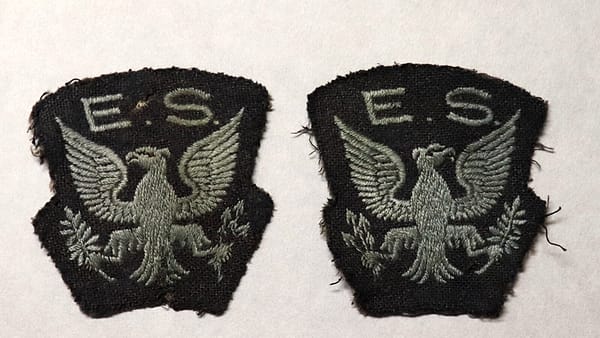
State statutes require a private security uniform to identify the employing agency and prohibit insignia, badges, titles, vehicle markings and lighting that would lead a reasonable person to believe the wearer holds public office. Impersonation offenses are usually satisfied by inducing that belief rather than by an express claim, and federal provisions add separate offenses for pretending to act under the authority of the United States and for misuse of official badges and identification cards.
In most states a person who accepts payment to gather information about another person's identity, conduct, whereabouts or property must hold an investigator license. Statutes describe the activity rather than the job title, so the work is covered whether it is called research, tracing or consulting. Common exemptions cover in-house employees, attorneys and public officers. Unlicensed work for hire is usually a misdemeanor.