Trespass, Fences and Where an Investigator May Lawfully Stand
Everything an investigator lawfully sees is seen from somewhere. The place decides the case: a sidewalk carries almost no restriction, a fenced rear yard carries a great deal, and the space between them turns on how the occupier has treated it.
The rule in short
Observation is lawful only from a place the observer may lawfully occupy. Public streets, sidewalks and open commercial parking areas carry the fewest restrictions. Ground close to a dwelling, enclosed by a fence and used for domestic life is treated as part of the home and is protected accordingly. A posted sign or an oral instruction to leave converts a lawful presence into criminal trespass, and several states impose civil liability for entering or using a device to capture private activity.
Everything lawfully observed is observed from somewhere, and the place decides the case. A public sidewalk carries almost no restriction. Ground close to a house, enclosed and used for domestic life, carries a great deal.
Investigators, process servers, repossession agents and journalists all work this line, and they all get into trouble in the same three ways: stepping past a boundary to get a better angle, staying after being told to go, and treating a place that merely looks public as if it were.
The public vantage point
Streets, sidewalks, public parks and the open parts of commercial premises during business hours are the ordinary working positions. From those places a person may look, take notes and photograph what is plainly visible without any special permission. That is not a rule about investigators; it is the general position for everyone, and it is why competent surveillance is mostly a matter of finding a lawful spot with a view rather than getting closer.
Two qualifications apply even here. Local parking and loitering rules are enforced normally, and a residents-only bay or a posted time limit binds a surveillance vehicle like any other. And a place that looks public is often not: a shopping center's parking lot, a gated community's roads, an apartment building's lobby and a hospital's corridors are all private property where the occupier may refuse entry or require a person to leave.
What a fence changes
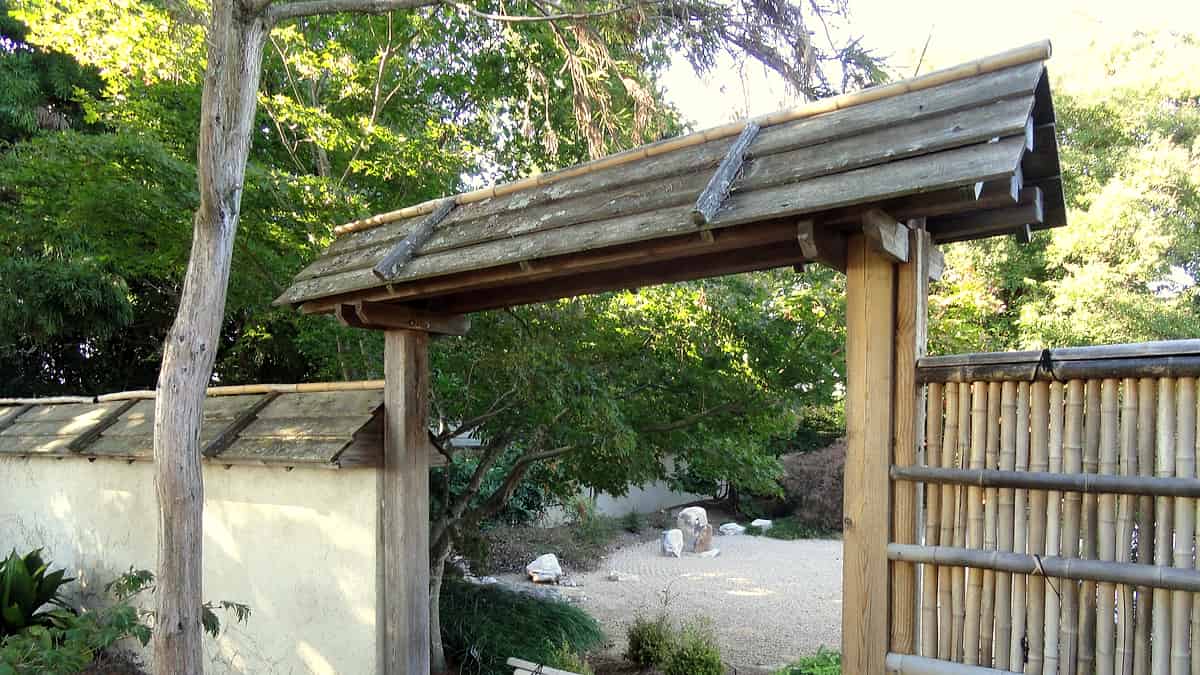
The ground immediately around a dwelling can receive the same protection as the house. Courts decide whether it does by weighing four things: how close the area is to the home, whether it sits inside an enclosure surrounding the home, what the area is actually used for, and what steps the resident has taken to shield it from passersby. A fenced rear yard with a patio, close to the back door and screened from the street, satisfies all four. A distant barn beyond a separate fence satisfies none of them.
A fence therefore does two things at once. It strengthens the argument that the area inside is part of the home, and it marks a boundary whose crossing is trespass. What it does not do is make the interior invisible in law. Where an area remains plainly visible from a place anyone may lawfully stand, the fence alone does not create protection against being seen from there.
| Position | Ordinary status | What can change it |
|---|---|---|
| Public sidewalk or street outside a house | Lawful to stand, watch and photograph | Parking restrictions; conduct amounting to harassment |
| Front path and doorstep | Implied permission to approach and knock | A gate, a sign, or an instruction to leave ends it |
| Fenced rear yard or enclosed patio | Treated as part of the home | Nothing short of the occupier's permission |
| Apartment lobby or shared corridor | Private property, entry at the owner's discretion | Building management may permit or refuse access |
| Open commercial parking lot in business hours | Generally open to the public | Posted conditions; a request to leave from the occupier |
Signs, gates and being told to leave
Most state trespass statutes are built around notice rather than around entry alone. Virginia's provision is typical: a person commits the offense by going upon or remaining upon the land or buildings of another after having been forbidden to do so, orally or in writing, by the owner, a lessee, a custodian or an agent, or by a posted sign. Two consequences follow that operators often miss.
The first is that the instruction binds immediately and does not need to be reasonable. A property owner does not have to justify it. The second is that the person giving it does not have to be the owner. A building manager, a security supervisor, a tenant or a caretaker can all be a person lawfully in charge, and an instruction from any of them is effective. Arguing about their authority on the doorstep is a poor use of the moment.
The most common way a lawful file becomes an unlawful one is a small step taken for a better shot: two paces onto a lawn, a hand resting on a gate, a lens held over a fence line. Each of those converts a defensible position into a trespass and, in several states, into a civil claim with enhanced damages. The photograph is rarely worth the file it destroys.
Devices that cross a line a person did not
Some states legislate against the gap between where a body stands and where equipment reaches. California imposes liability for physical invasion of privacy where a person enters land or the airspace above it to capture an image or recording of private activity, and separately for constructive invasion, where a device is used to capture something that could not have been obtained without entering. A drone over a rear garden and a long lens through a bedroom window are both caught by that second branch.
Placing anything on the subject's property is a further step again. Attaching a tracking device to a parked vehicle usually requires an approach that is itself a trespass, and it is separately an offense in a number of states. Cameras left on a neighbor's fence, magnetic devices under a bumper and equipment concealed in a shared hallway all carry the same double exposure, which is set out in more detail in the discussion of where surveillance becomes unlawful.
Consent from the person who can give it
Permission solves most of these problems, but only when it comes from someone entitled to give it. A landlord cannot consent to entry into a tenant's rented unit. One occupant can usually consent to shared areas but not to another occupant's private room. A client who owns a house occupied by an estranged partner is in a weaker position than they usually believe, and a written assurance from the client does not transfer authority the client does not hold.
Employers and property owners can also grant standing permission, and that is worth having in writing before it is needed. A written authorization from a building manager naming the person, the areas covered and the period is a complete answer to a later complaint. An oral permission from a caretaker whose name nobody recorded is not, and the caretaker rarely remembers it the same way once the occupier objects.
Where a case genuinely requires access to private ground, the honest routes are the occupier's permission, a court order, or the assistance of a party who has a right of entry. None is quick, and a licensee who takes the shortcut instead is exposed on three fronts at once, as described under what an investigator license does not authorize. Guards face a related version of the same problem, since a post gives authority over the client's property and none at all over the street outside, which is where the power to detain and its limits begins.
Points to carry away
- A public sidewalk or street is the safest vantage point and carries almost no restriction on looking or photographing.
- Ground immediately around a dwelling, enclosed and used domestically, receives the same protection as the house itself.
- Courts weigh proximity to the home, enclosure, the use made of the area and the steps taken to shield it from view.
- An oral or posted instruction not to enter makes a later entry criminal trespass in most states.
- A shared lobby, an apartment corridor and a gated parking structure are private property despite being accessible.
- Several states impose civil liability where a device captures private activity that could not have been captured without entering.
Questions readers ask
Does a driveway count as private property for this purpose?
It is private property, but a driveway leading to a front door is usually treated as carrying an implied invitation for anyone with legitimate business to walk up and knock. That invitation is limited in scope and easily withdrawn. It does not extend to lingering, to leaving the path, to looking through windows or to placing anything on a vehicle parked there. Once the occupier says to leave, or a sign or gate says the same, the implied invitation ends and a further entry is trespass.
Can an investigator sit in a parked car outside a house all day?
Parking lawfully on a public street and watching is generally permitted, and this is how most surveillance is actually conducted. Local parking rules still apply, and a residents-only zone or a time limit is enforced against an investigator like anyone else. Police may approach after a neighbor's call, and there is no obligation on them to accept an explanation. Gated communities and private roads are a different matter entirely, because the road itself is private property.
What can a homeowner do about someone watching from the street?
Observation from a public street is generally lawful, so the useful steps are practical rather than legal at first: recording dates, times, vehicle descriptions and plate numbers. If the watcher enters the property, an instruction to leave should be given clearly, because in many states the trespass offense requires that the person was forbidden to be there. Where the watcher is licensed, the state board accepts complaints from the public, and a documented pattern also supports an application for a protective order.
Sources
- United States v. Dunn, 480 U.S. 294Sets out the four factors that decide whether ground near a house is treated as part of the home.
- California v. Ciraolo, 476 U.S. 207Holds that what is visible from a lawful vantage point is not shielded by a fence alone.
- Katz v. United States, 389 U.S. 347The origin of the distinction between what a person exposes and what they seek to keep private.
- California Civil Code § 1708.8 — physical and constructive invasion of privacyCreates civil liability for entering land, or the airspace above it, to capture private activity.
- Code of Virginia § 18.2-119 — trespass after having been forbidden to do soA representative statute making entry criminal once forbidden orally, in writing or by posted sign.
- California Penal Code § 637.7 — use of an electronic tracking deviceSeparately prohibits placing a tracking device, which usually also requires an unlawful approach.
National Attorney Hub is a publication, not a law firm. This article states general rules and cites its sources; it is not advice about any particular case, and the law differs by state and changes over time.
More in Investigators & Guards
The Power to Detain and Its Limits
Security officers hold no police powers. The authority actually used is the merchant's privilege, a statutory rule permitting a merchant or their agent to detain a person for a reasonable time and in a reasonable manner on probable cause to believe merchandise was taken. It authorizes investigation and recovery only, permits nondeadly force, and collapses where the cause was weak or the hold too long.

Proof of Service That Holds Up
A return of service must record when the papers came to hand, the date, time and place of service, the manner used, the identity of the person served and their capacity, together with every document delivered, signed by the server. Missing facts or a missing signature can invalidate the service, though most states allow the return to be amended on application to the issuing court. A defective or false return supports a motion to quash and, later, a challenge to the judgment itself.
What an Investigator License Does Not Authorize
An investigator license is a permission to trade, granted by a state board after a background check. It confers no law enforcement authority. A licensee has the same power of arrest as any other private person, no right to enter property, no entitlement to criminal history files, and no defense to trespass, wiretapping, computer intrusion or obtaining protected records by deception. Acts that are crimes for anyone remain crimes for a licensee, and conviction generally ends the license as well.