Who Inspects Scales and Measures
Every scale in a deli, every meter on a fuel pump and every scanner at a register belongs to a system almost nobody thinks about. It is state and county work, run to a national technical standard, and it leaves a small sticker as its only visible trace.
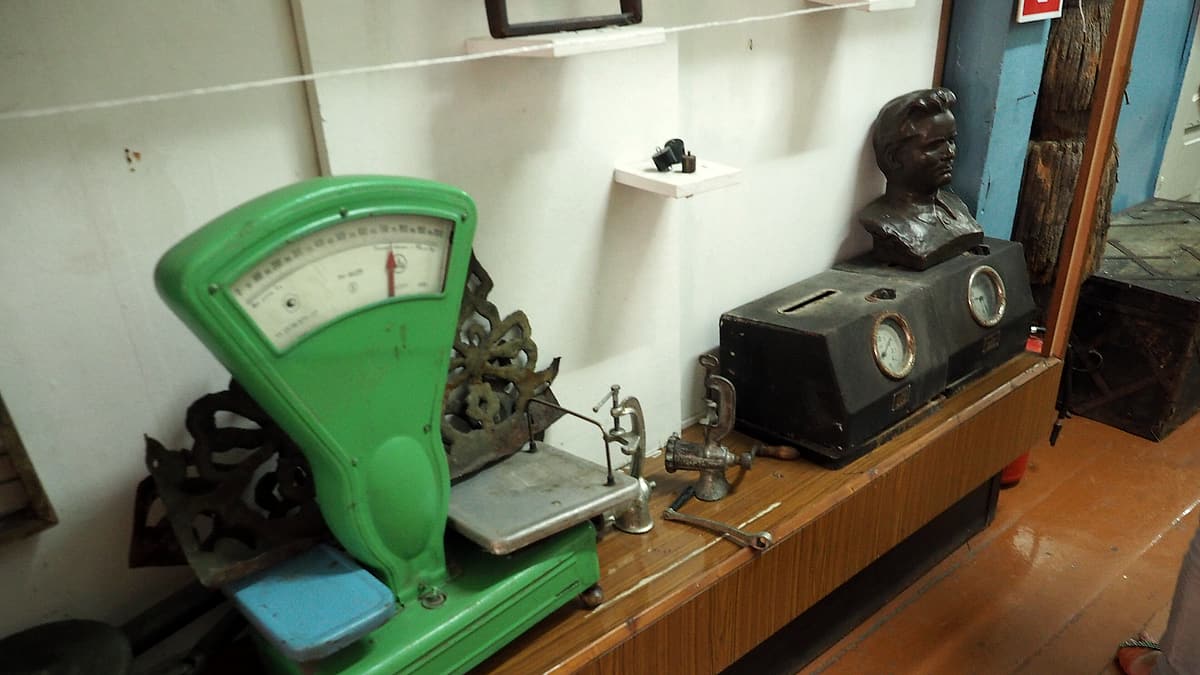
The rule in short
Commercial weighing and measuring devices are regulated by state and county weights and measures programs. Officials test devices against a national technical standard that sets specifications and tolerances, seal those that pass so calibration cannot be altered undetected, and remove failing devices from service until repaired and retested. The same programs run price verification and often license the service agencies that repair devices.
Commercial scales, meters and measuring devices are inspected by state and county weights and measures officials. They test against a national technical standard, seal the devices that pass, and take the ones that fail out of service until they are repaired and retested.
The federal role is to write the standard rather than to enforce it. A national office develops the model specifications and the uniform laws, a national conference of state officials adopts revisions, and each state decides what to adopt and how to run its own program. The result is a system that is technically uniform and administratively local.
What counts as a commercial device
The test is use, not appearance. Any device used to determine the quantity of something bought, sold, or charged for is within the program. That includes counter scales in delis and butchers, floor scales in warehouses, vehicle weighbridges, retail fuel dispensers, propane and heating oil meters, water and utility meters in some jurisdictions, taximeters, and the scales used at scrap yards and recycling centers.
Point-of-sale systems come in through the same door, because the price a scanner applies is part of determining what is charged. That is why price verification and device testing usually sit in one office: a shopper cannot tell whether a wrong total came from a scale, a price file or a mislabeled pack, and the same inspector can check all three.
What a test actually involves
Testing uses certified standards: known weights for scales, calibrated volumetric provers for liquid meters. An inspector applies the standard across the device's range rather than at a single point, because a scale can be correct at ten pounds and wrong at one. Tolerances are set by the technical standard and differ by device class and by whether the device is new or in service.
The examination goes beyond accuracy. Devices must be suitable for the use they are put to, must be installed so they can be read by the customer, must not have features that allow the indication to be manipulated, and must return to zero properly. A perfectly accurate scale positioned where the buyer cannot see the display is still a finding in most jurisdictions.
Tare is the other recurring subject. A scale weighing a package must exclude the weight of the container, and the tare has to be set correctly for the packaging actually in use. Setting a tare for a light tray and then using a heavier one produces a systematic overcharge that is invisible to everybody, including the staff operating the scale, which is exactly the kind of error an inspection is designed to find.
An annual test only proves what was true on the day. What carries the assurance forward is the seal placed on the calibration adjustment, because it makes any change visible. That is also why service agencies are licensed or registered in most states: someone has to be able to break a seal lawfully to repair a device, and the program needs to know who that was. A device with a broken seal and no service record is the classic finding.
Outcomes when a device fails
| Finding | Immediate consequence | What follows |
|---|---|---|
| Within tolerance | Device sealed and placed in service | Routine retest on the jurisdiction's cycle |
| Outside tolerance, favoring the buyer | Rejected for repair | Retest before returning to use |
| Outside tolerance, favoring the seller | Tagged out of service | Repair, retest, and possible penalty |
| Seal broken or missing | Investigation of who opened it | Service records requested; penalties possible |
| Device unsuitable or badly installed | Correction ordered | Reinspection, often within a short period |
| Repeat or deliberate violation | Escalated penalties | Referral to prosecutors in serious cases |
Packages, and the quantity printed on them
Devices are only half the work. The other half is checking that packaged goods contain what they declare. A separate examination procedure covers this: inspectors draw a sample from a lot, measure the contents, and compare against the declared net quantity, allowing for the natural variation of a filling line while catching lots that are systematically short.
Federal packaging and labeling law sits behind the declaration itself, setting how the net quantity of contents must be stated on a consumer commodity. State inspection is what tests whether the statement is true. The two work together, and neither is much use without the other.
Moisture loss complicates it in ways that are not anyone's fault. Products that dry out in storage weigh less on a shelf than they did on the line, and the checking procedures make allowance for reasonable variation of that kind. What they do not allow is a lot that was underfilled to begin with, which is why the analysis looks at the average across a sample rather than at any single package a shopper happens to buy.
Reporting a device that looks wrong
Find the right office first. Responsibility is usually held by a state department of agriculture, a department of consumer affairs, or a county sealer, and in many places the county does the visiting. Searching for weights and measures with the county name is generally faster than starting at state level. Where the county has no program, the state office covers it directly.
Timing matters less here than in most consumer complaints, because devices stay in place. A scale reported this month will still be the same scale next month, and an inspector arriving unannounced will find it in its ordinary condition rather than freshly adjusted. That is one reason inspectors do not warn businesses in advance and do not usually invite the complainant along to watch.
Then give an inspector something usable: the business name and address, the specific device or register, what was bought, what was charged, what the correct figure should have been, and the receipt. Photographs of the display, the seal and the inspection sticker are worth more than a description. A report of this kind can prompt a visit outside the routine cycle, which is the same mechanism described under scanner accuracy and how it is inspected.
Two related situations belong to the same office. A fuel pump that appears to deliver less than it registers is a device question, dealt with under fuel pump accuracy and the octane posted. A shelf label that shows no unit price where a state requires one is a labeling question under unit pricing and comparing sizes. Both are handled by the same inspectors, under the same body of adopted rules, which is why one call usually covers whichever of them turns out to be the real problem.
Points to carry away
- Weights and measures enforcement is a state or county function, not a federal one.
- Devices are tested against a national technical standard adopted by the states.
- A device that passes is sealed so its calibration cannot be changed unnoticed.
- A failing device is tagged out of service until repaired and retested.
- The same office usually handles price verification and complaints from the public.
Questions readers ask
What does the sticker on a device mean?
It records that the device was tested and placed in service, and it usually carries the inspecting jurisdiction and a reference for the test. It is not a guarantee that the device is accurate today. Devices drift, get knocked and get repaired between visits, which is why the seal matters as much as the sticker: the seal is what shows the calibration has not been opened since. A device with a broken seal is a finding regardless of whether it currently reads correctly.
Can a customer ask for a device to be tested?
A member of the public can report a suspect device to the weights and measures office, and complaints commonly prompt an unscheduled visit. What a customer cannot usually do is compel a test on demand or be present for it. The useful complaint gives the business name and address, the specific device, what was bought, and why the result looked wrong. Vague reports about a store's honesty produce nothing an inspector can act on.
Are packages checked as well as devices?
Yes, through a separate procedure for checking the net contents of packaged goods. Inspectors sample packages from a lot, weigh or measure the contents, and compare against the declared quantity, allowing for the variation any filling process produces. A lot whose average falls short, or which contains unreasonably underfilled packages, fails. This is why a package's declared net quantity is more than a marketing statement: it is a claim that is periodically tested.
Sources
- NIST Handbook 44 — current editionSpecifications, tolerances and technical requirements for weighing and measuring devices.
- NIST Handbook 130 — current editionThe uniform weights and measures law and regulations states adopt as their own.
- NIST Office of Weights and MeasuresThe federal office that develops model standards and supports state programs.
- NIST Office of Weights and Measures handbooksIndex of the handbook series, including net contents checking and standards for field weights.
- 15 U.S.C. 1451 — Fair Packaging and Labeling Act policyThe federal policy behind accurate quantity information on consumer packages.
- 16 CFR Part 500 — Fair packaging and labeling regulationsFederal net quantity of contents requirements for consumer commodities.
- 15 U.S.C. 45 — Unfair or deceptive acts or practicesThe federal prohibition reaching misrepresentation of quantity or measure.
National Attorney Hub is a publication, not a law firm. This article states general rules and cites its sources; it is not advice about any particular case, and the law differs by state and changes over time.
More in Prices & Gift Cards
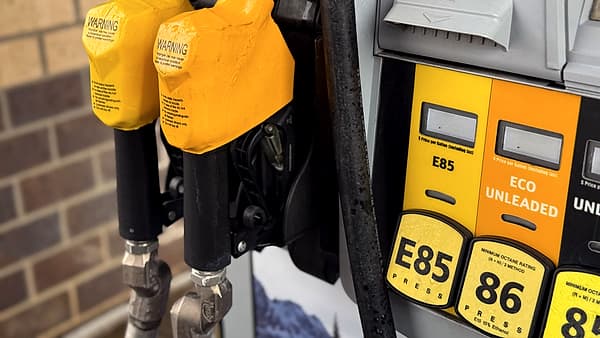
Fuel Pump Accuracy and the Octane Posted
Federal rules require retailers to post the automotive fuel rating on at least one label on each face of every dispenser, placed conspicuously near the price per gallon, and require every transfer to a non-consumer to be certified with a rating. The octane rating is the average of the research and motor octane numbers. Measurement accuracy is regulated by state weights and measures programs against a national technical standard, with devices tested and sealed.

Advertised Offers That Run Out
For retail food stores, offering products at a stated price by advertisement when the covered stores do not have them in stock and readily available during the advertised period is an unfair or deceptive act, unless the advertisement clearly discloses that supplies are limited or that the item is only at some outlets. Four defenses exist: adequate ordering, a rain check, a comparable substitute at the advertised price, or other compensation of at least equal value.

The Shelf Price Against the Price at the Checkout
There is no general federal rule requiring a store to charge the shelf price. Price accuracy is regulated by state weights and measures law, built on a national model that covers price verification and the method of sale, and enforced by state and county inspectors. Federal law reaches the subject through the prohibition on deceptive acts and practices, which bites where advertised prices are systematically not honored rather than where a single tag is stale.