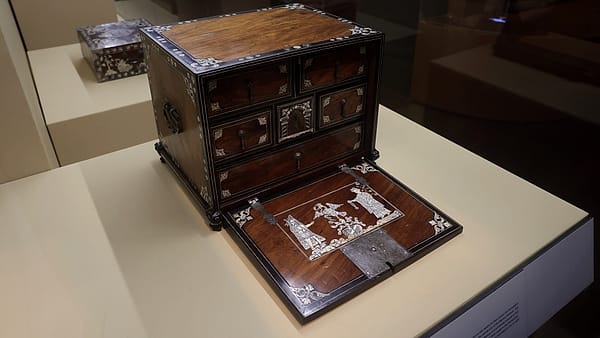
State statutes require pawnbrokers and secondhand dealers to keep acquired goods securely stored, unaltered, within the jurisdiction and available for inspection for a fixed period after the transaction. Longer terms apply to jewelry, precious metals, antiques and firearms. Pledged goods are held for the loan period and any grace period instead. Disposing of an item early, or altering it, is a separate offense from any question about theft.
On an interstate household goods move the carrier may not provide a period shorter than nine months for filing a claim, or shorter than two years for bringing a civil action after it gives written notice that the claim is disallowed. A valid claim is a written communication identifying the shipment, asserting liability and demanding a specified or determinable sum. The carrier must acknowledge it within thirty days and pay, decline or make a firm settlement offer within one hundred and twenty.
An appearance must be filed on the prescribed form by the attorney or accredited representative, properly completed and signed by the person authorizing representation. It is recognized by the component in which it was filed until the matter concludes, and a new form is required for an appeal to the appellate office. Once filed, notice and service run to the representative of record, and substitution requires either a written withdrawal or a new form from a new representative.
Security officers hold no police powers. The authority actually used is the merchant's privilege, a statutory rule permitting a merchant or their agent to detain a person for a reasonable time and in a reasonable manner on probable cause to believe merchandise was taken. It authorizes investigation and recovery only, permits nondeadly force, and collapses where the cause was weak or the hold too long.
There is no general federal rule requiring a store to charge the shelf price. Price accuracy is regulated by state weights and measures law, built on a national model that covers price verification and the method of sale, and enforced by state and county inspectors. Federal law reaches the subject through the prohibition on deceptive acts and practices, which bites where advertised prices are systematically not honored rather than where a single tag is stale.
Every state sets a minimum number of training hours before a candidate may sit the licensing examination, and most allow the hours to come from an approved school or from a board-registered apprenticeship in a licensed establishment. School hours are certified by the school; apprentice hours are certified by a supervising licensee who must be approved and present. Hours worked lawfully in another state can often be converted, but only on the ratio the destination state sets.
Programs that transport children work under two layers of rules. State licensing sets driver qualifications and record checks, supervision ratios in vehicles, restraint requirements by age and weight, and procedures for counting children on and off. Federal motor vehicle safety standards govern the vehicles themselves, including school bus seating and crash protection and the standards for child restraint systems. Transportation is a listed health and safety topic for state rules.
Observation is lawful only from a place the observer may lawfully occupy. Public streets, sidewalks and open commercial parking areas carry the fewest restrictions. Ground close to a dwelling, enclosed by a fence and used for domestic life is treated as part of the home and is protected accordingly. A posted sign or an oral instruction to leave converts a lawful presence into criminal trespass, and several states impose civil liability for entering or using a device to capture private activity.
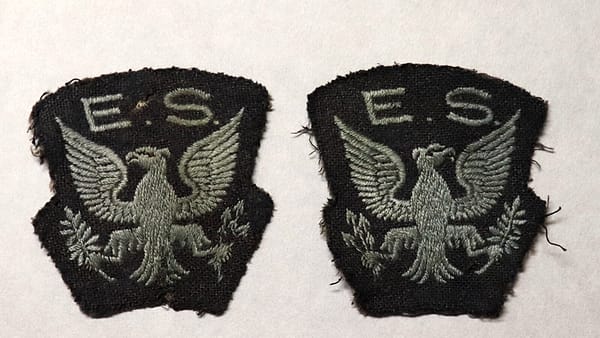
State statutes require a private security uniform to identify the employing agency and prohibit insignia, badges, titles, vehicle markings and lighting that would lead a reasonable person to believe the wearer holds public office. Impersonation offenses are usually satisfied by inducing that belief rather than by an express claim, and federal provisions add separate offenses for pretending to act under the authority of the United States and for misuse of official badges and identification cards.
Unit pricing expresses the price of a package in a common measure such as price per ounce or per hundred count, so that sizes can be compared. It is not required nationally. A national model uniform unit pricing regulation exists and states adopt it in whole or in part, typically applying it to larger stores and exempting small retailers and certain product categories. Federal packaging and labeling law governs the net quantity declaration the unit price is calculated from.
On an interstate move the carrier's liability for lost or damaged household goods is replacement value up to the declared value of the shipment, unless the shipper waives that in writing in favor of the released rates set by the Surface Transportation Board. Released rates pay by weight rather than by value. Separate insurance sold by or through the carrier is a different product with its own policy, and the bill of lading must show evidence of it, including the premium.
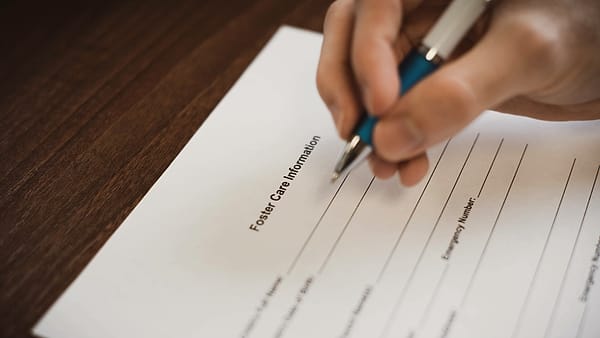
A waiver signed by a parent involves two separate claims: the parent's own and the child's. States differ sharply on whether a parent may release a child's future claim. Some legislatures allow it for risks inherent in an activity, subject to prescribed notice, while several courts have refused to enforce such releases as contrary to the protection of minors. No waiver reaches gross negligence, intentional harm, or a program's licensing and reporting obligations.