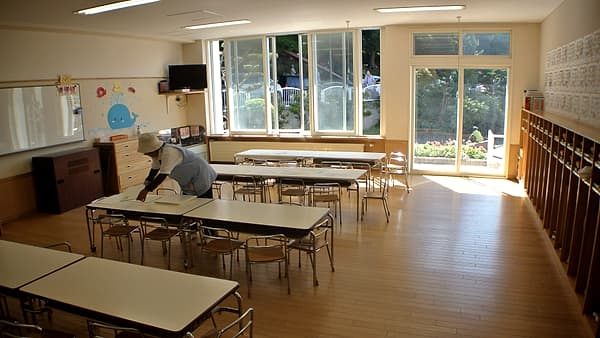
Child care licensing is state law. Most states divide arrangements into center-based care, family child care in a provider's home, and larger group homes, and set a threshold of unrelated children above which a license is required. Care by close relatives, care in the child's own home, short programs and certain school or religious programs are commonly exempt. Federal funding conditions require states to publish their licensing processes and their monitoring and inspection reports.
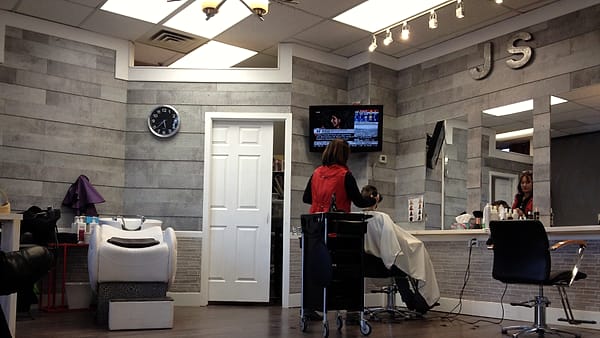
Nearly every state licenses the services that cut, color, chemically treat or abrade hair, skin and nails when they are performed for compensation. Statutes then carve out named exemptions, most commonly shampooing, natural hair braiding, hair wrapping, threading and basic makeup application. Tattooing, piercing and massage sit under separate schemes with their own permits. Working outside the scope printed on a license is itself a violation.
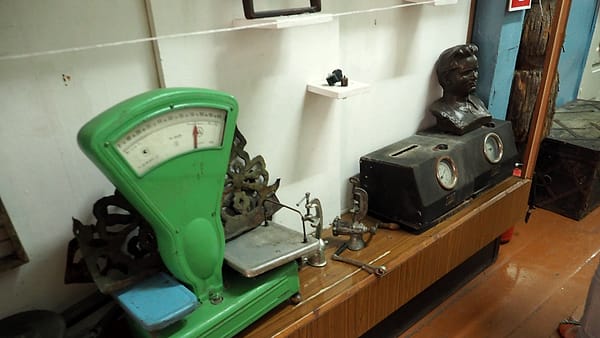
Commercial weighing and measuring devices are regulated by state and county weights and measures programs. Officials test devices against a national technical standard that sets specifications and tolerances, seal those that pass so calibration cannot be altered undetected, and remove failing devices from service until repaired and retested. The same programs run price verification and often license the service agencies that repair devices.
The regulation permits representation by an attorney in good standing of the bar of the highest court of a state, possession, territory or the District of Columbia who is not under any restriction on practice; by a representative accredited by the Board through a recognized organization; by a law student or graduate appearing without compensation under supervision; and by a reputable individual of good moral character with a pre-existing relationship, appearing without payment.
Authority to serve process is set by the law of the forum where the case is filed. Federal courts allow any person who is at least eighteen and not a party. Many states copy that rule; others reserve initial process to the sheriff or to servers appointed by a chief judge or sheriff, and several require registration with a county clerk once a person serves more than a set number of papers. Service by a person without authority is generally void and can be attacked long after judgment.
Any document containing a foreign language must be accompanied by a full English translation, certified by the translator as complete and accurate, together with the translator's certification that they are competent to translate from that language into English. The regulation names no approved provider and requires no notarization. Translations fail most often because they are partial, because the certificate omits competence, or because the translator has an interest in the outcome.
In most states a person who accepts payment to gather information about another person's identity, conduct, whereabouts or property must hold an investigator license. Statutes describe the activity rather than the job title, so the work is covered whether it is called research, tracing or consulting. Common exemptions cover in-house employees, attorneys and public officers. Unlicensed work for hire is usually a misdemeanor.
An applicant or petitioner may withdraw a benefit request at any time until a decision is issued, or, where a petition has been approved, until the person is admitted or granted adjustment or change of status on it. A withdrawal cannot be retracted and its acknowledgment cannot be appealed. A new request may be filed with a new fee, but the priority or processing date of the withdrawn request does not carry across, and the surrounding facts remain material.
Mobile personal care work is licensed rather than unregulated. Most states license a self-contained vehicle as a mobile unit, requiring a permanent base address, a floor plan, water and waste systems and an inspection before approval, and often a filed itinerary. Home-based work is licensed as an establishment and usually requires an entrance separate from living space, dedicated facilities and zoning approval. Work at a client's home is lawful only where the statute names the situation.
Interrogatories are written questions served on another party, answered in writing under oath, and limited in federal practice to twenty-five including discrete subparts, with thirty days to respond. A deposition by written questions reaches a person who is not a party: the questions are served on every party, cross and redirect questions follow on set timetables, and an officer puts them to the deponent and certifies the answers.