What a request for evidence actually asks for and how long you have, a notice of intent to deny and the chance to reply, proving a filing was made and received, who is allowed to represent you, translations and certified copies, and the choice between a motion and an appeal after a refusal.
Evidence must be primary where primary evidence is available. Where it does not exist or cannot be obtained, the filer must demonstrate that fact and submit secondary evidence. Where secondary evidence also fails, the filer must show both are unavailable and submit two or more sworn statements. Unavailability is normally shown by an original written statement on the issuing authority's letterhead stating that no record exists and why, and whether similar records for that time and place survive.
Congress expressed the sense that processing should be completed within 180 days of filing, and within 30 days for certain nonimmigrant petitions, but that provision states a goal rather than an enforceable deadline. Administrative law requires an agency to conclude a matter presented to it within a reasonable time, and a court may compel agency action unlawfully withheld or unreasonably delayed. A suit compels a decision, not a favorable one.
A person who assists in completing a benefit request must provide contact information, sign and date the preparer section of the form. Preparing is not representing: it confers no right to receive notices, examine the record, appear at an interview or act on the case. Where the person assisting is an attorney or accredited representative who intends to represent, an appearance form must be filed. Signing the applicant's line invalidates the certification.
A motion to reconsider must state the reasons for reconsideration and be supported by pertinent precedent decisions establishing that the decision was based on an incorrect application of law or policy. It must also establish that the decision was incorrect based on the evidence of record at the time it was made. The window is thirty days from the decision, with no provision for excusing lateness, and a motion that does not meet the requirements is dismissed.
A sworn statement is a voluntary declaration by a person with personal knowledge of the events described. Agency guidance treats such statements as tertiary evidence, accepted where neither primary nor secondary evidence exists or can be obtained, and requires two or more in that situation. Going on record without supporting documentary evidence does not meet the burden of proof, so a statement works best alongside documents rather than instead of them.
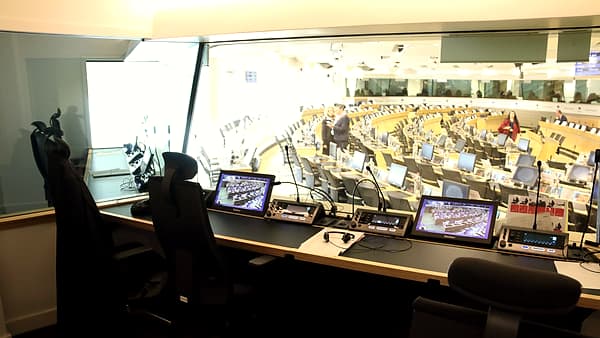
Where a person does not read English well enough to complete a form unaided, an interpreter reads it back in a language the person speaks and signs the interpreter certification, giving their name, contact details and the language used. The certification is about comprehension, not translation of documents. At an interview, an interpreter renders speech in real time, and the applicant's own attorney or accredited representative may not serve in that role.