Paying Cash Compared With Using a Bond Agent
The two routes to release cost completely different things. Cash ties up the full amount but returns it when the case ends. A bond costs a fraction up front and keeps none of it back, while shifting the risk onto a company and whoever signed with it.
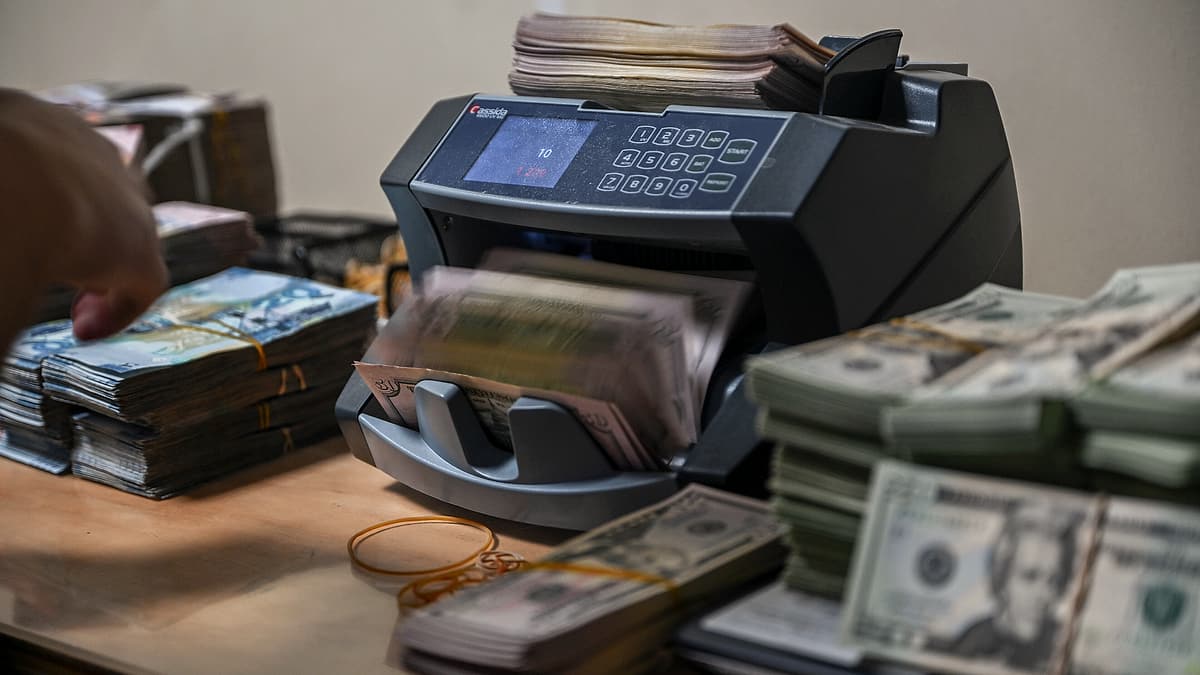
The rule in short
Cash bail is the full amount paid to the court, refundable when the case concludes and the bond is exonerated, subject to deductions the court may take. A surety bond is bought from a licensed bail agent for a premium that is earned on release and is not returned regardless of outcome, and the agent may also require collateral and a cosigner. Some states offer a deposit option where a percentage is paid to the court instead.
Cash bail is the whole amount, paid to the court, and it comes back when the case ends. A surety bond is a smaller payment to a licensed agent, and none of it comes back. That is the entire comparison, and everything else is detail about who carries the risk in between.
The choice is usually made under pressure, at night, by a relative with a telephone. Understanding the shape of it in advance is worth more than any negotiation afterward, because the premium on a bond is fixed by filed rates and is not open to bargaining.
Paying the court directly
Cash bail means depositing the full figure with the court or the jail. The money is held, not spent. When the case concludes and the bond is exonerated, it is returned to whoever is named on the receipt, less any deduction the court is authorized to make.
Deductions are the part people do not expect. In federal cases, 28 U.S.C. 2044 directs that money deposited by or on behalf of the defendant be applied to any assessment, fine, restitution or penalty imposed, and it excludes money put up by a third-party surety from that treatment. Many states have comparable set-off rules for fines and court costs.
The advantage is obvious: the money is recoverable. The disadvantage is that the full amount has to exist, in cash or cleared funds, on the night it is needed. A household that can raise it will get it back; a household that cannot is looking at the other route regardless of the arithmetic.
How long the money sits is the hidden cost. Bail is exonerated when the case ends, and a case can run for a year or more. Money posted with the court earns nothing in the meantime in most systems and cannot be withdrawn while the case is live. For a family that borrowed it, the interest on the loan runs the whole time.
Payment methods are narrow. Jails and courts typically take cash, a cashier's check or a money order, and many will not accept a personal check or a card at all. Where a card is accepted there is usually a processing charge that is not refundable even though the bail itself is.
Buying a surety bond
A bail agent posts a bond backed by a surety insurer, promising the court the full amount if the person does not appear. In exchange the agent charges a premium, which is a percentage of the bond set by rates filed with the state insurance regulator.
Agents are insurance licensees rather than court officers. California, for instance, requires prelicensing study, an examination, a bond of the agent and appointment by a surety insurer. Florida regulates the same business through its financial services department, and states there that an agent may not charge above or below the approved rate.
The premium is earned when the person is released. It is not a deposit, it is not held, and it is not returned when the case ends in an acquittal, a dismissal or a conviction. That is the price of not having to produce the full amount.
Speed is what the premium buys alongside affordability. An agent who already knows the jail's procedure can post a bond within hours, at any time of day, without anyone assembling cash. For a person who would otherwise spend a weekend in custody before a first appearance, that difference is the whole point of the transaction.
Because bail premiums are filed with an insurance regulator, an agent generally may not discount them, and an offer of a lower rate is a warning rather than a bargain. Florida's guidance treats charging below the approved rate as prohibited and bars advertising that suggests reduced rates. Where money is short, the productive move is a court application for a lower amount, not a cheaper agent.
The routes side by side
| Route | Paid up front | Returned at the end | Who is exposed if the person misses court |
|---|---|---|---|
| Full cash to the court | The entire bail figure | Yes, less authorized deductions | The depositor, up to the whole sum |
| Deposit bail, where offered | A percentage to the court | Most of it, less a service charge | The depositor, for the full bond |
| Surety bond | A non-refundable premium | No part of the premium | The surety, then the cosigner and collateral |
| Recognizance or unsecured bond | Nothing | Nothing was paid | The defendant, for the stated sum |
The middle option
Several states offer deposit bail, sometimes described as percentage bail. The court accepts a stated fraction of the bond amount instead of the whole figure, and returns most of it at the end, keeping a small administrative percentage.
Where it exists, it is usually the cheapest route with a refund attached, because the fraction paid to the court is comparable to a bond premium but is largely recoverable. Not every court offers it, and it is often available only at the judge's direction rather than on request, so it is worth asking whether the order permits it.
Property bonds are a further variant. Real estate is pledged instead of money, with the court taking a lien for the bond amount. They take days rather than hours to process because the equity has to be verified, which limits their usefulness in an emergency.
Where a property bond is used, the lien stays recorded until the case ends and the court releases it. That can block a sale or a refinancing in the meantime, and the release is not always automatic, so the person who pledged the property should confirm in writing that the lien has been discharged rather than assuming it lapsed with the case.
What to check before signing
Confirm the agent's license with the state regulator before any money changes hands, because both California and Florida publish searchable licensee records. Get a written receipt for every payment, including the premium and anything described as a fee.
Read the indemnity agreement rather than the summary of it. That document, not the court's order, is what governs the relationship between the agent, the cosigner and any collateral, and its obligations are covered in collateral and the person who signs for you. What the premium buys and what an agent may lawfully charge on top of it is set out in what a bond agent charges and keeps.
Before committing to either route, it is worth testing whether the amount itself can be changed, since a successful application removes the question entirely, as described in asking for a lower amount or release without money. And whichever route is chosen, the process for recovering money at the end is covered in getting money back when the case ends.
Points to carry away
- Cash posted with the court is returned when the case ends and the bond is exonerated, less any deductions the court is authorized to take.
- A bond agent's premium is the price of the service and is not refundable when the case ends well.
- A surety bond usually requires a cosigner, and often collateral, both of which stay at risk for the life of the case.
- Several states offer a deposit bail option where a percentage is paid to the court and most of it comes back.
- In federal cases, money deposited by the defendant can be applied to a fine, assessment or restitution under 28 U.S.C. 2044.
Questions readers ask
Can somebody else post cash bail for a defendant?
Yes, and in most systems the money is receipted in the depositor's name rather than the defendant's. That matters at the end, because the refund normally goes back to whoever is named on the receipt. Keep the original receipt, check that the name and address on it are correct before leaving the counter, and tell the court immediately if the depositor moves. Refunds are commonly issued by check to the address on file, and a stale address is the most frequent reason money goes missing.
Is a bond agent obliged to write a bond for anyone who asks?
No. Agents assess risk and decline business regularly, particularly where there is no cosigner, no collateral, or a history of prior forfeitures. They may also require conditions beyond the court's, such as weekly check-in calls or permission before traveling, as a term of their own contract. Those private conditions are enforceable between the agent and the signers even though the court knows nothing about them, which is a reason to read the agreement before signing it.
What happens to the money if the charges are dropped the next day?
The two routes diverge sharply. Cash posted with the court is returned once the case ends and the bond is exonerated, whatever the outcome and however quickly it arrives. A bond premium is not returned, because it paid for the surety's undertaking rather than for a result, and that undertaking existed from the moment the bond was posted. Some states allow a refund where a bond was written but the person was never actually released, and that narrow exception is worth asking about.
Sources
- 18 U.S.C. § 3142 — Release or detention of a defendant pending trialLists the forms of release, including execution of a bail bond with solvent sureties and a cash deposit.
- Federal Rule of Criminal Procedure 46 — Release from Custody; Supervising DetentionForfeiture of bail, setting it aside, and the exoneration that triggers release of the security.
- 28 U.S.C. § 2044 — Payment of fine with bond moneyAllows money deposited by the defendant to be applied to an assessment, fine, restitution or penalty.
- California Insurance Code § 1800 — Bail Licensee ClassesDefines the bail licensee classes and what the business of bail covers.
- Florida Department of Financial Services — Bail bond agentsStates that agents may not charge above or below approved rates and sets collateral handling rules.
- California Courts Self Help Guide — The arraignmentA state description of the release options a court may order at the first appearance.
National Attorney Hub is a publication, not a law firm. This article states general rules and cites its sources; it is not advice about any particular case, and the law differs by state and changes over time.
More in Bail & Release
What a Bond Agent Charges and Keeps
A bail bond premium is a percentage of the bond amount, set by rates filed with the state insurance regulator, and it is earned when the person is released rather than held on deposit. Agents generally may not charge above or below the approved rate. Limited additional charges are permitted in some states, such as a disclosed credit card processing fee on collateral. Prohibited practices commonly include soliciting at jails and paying for attorney referrals.

Setting Aside a Forfeiture
Federal Rule of Criminal Procedure 46 allows a court to set aside a bail forfeiture where the surety later surrenders the person released into custody, or where it appears that justice does not require forfeiture. The court must exonerate the surety and release any bail once a condition has been satisfied or the forfeiture is set aside or remitted. State statutes follow a similar pattern, usually with a fixed period after notice in which the application must be made.

How a Bail Amount Is Set
In most states an arrested person is first held against a county bail schedule that lists an amount for each offense. At the first appearance a judge sets bail individually, weighing the nature of the charge, the strength of the evidence, the person's history and community ties, and any risk to others. Federal courts work from 18 U.S.C. 3142, which directs release on the least restrictive conditions that will reasonably assure appearance and community safety.